Key Takeaways
- Standard homeowners insurance generally covers many accidental fire-related losses, subject to the policy’s terms, limits, and deductible.
- Coverage may extend beyond the structure to personal belongings damaged by flames, smoke, soot, heat, or firefighting efforts.
- If a covered fire makes your home uninhabitable, additional living expense coverage may help pay certain extra costs while repairs are underway.
- Intentional fires, certain forms of negligence, and specifically excluded circumstances may not be covered.
- Wildfire protection can vary depending on the policy, location, deductibles, and insurance availability in high-risk areas.
- Thoroughly documenting structural damage and damaged belongings can make the claims process easier and help establish the extent of the loss.
- Reviewing your policy, maintaining a home inventory, saving important records, and understanding your deductible can help you prepare for a potential fire.
A house fire can turn a familiar home into an unsafe and uncertain place in a matter of minutes. Beyond the immediate emotional impact, homeowners may suddenly face expensive repairs, damaged belongings, temporary housing costs, and complicated conversations with their insurance company. Fortunately, standard homeowners insurance generally provides coverage for many types of accidental fire damage, although the exact protection depends on the policy, the cause of the fire, applicable exclusions, and the limits selected by the homeowner.
Understanding what your policy may cover before disaster strikes can make it easier to respond appropriately and protect your financial interests if a fire occurs.
Does Home Insurance Usually Cover Fire Damage?
In most standard homeowners insurance policies, fire is one of the primary risks covered under the dwelling portion of the policy. This generally means that if an unexpected and accidental fire damages your insured home, your insurer may help pay for covered repairs or reconstruction, subject to your deductible, coverage limits, and policy terms. However, saying that home insurance “covers fire” does not mean every fire-related expense is automatically paid. Insurance policies contain conditions, exclusions, and limitations that determine whether a particular loss qualifies for reimbursement.
Understanding these details is important because two fires that appear similar on the surface could receive different treatment depending on how they started, what was damaged, and the circumstances surrounding the loss.
What parts of the home may be covered?
Dwelling coverage generally applies to the physical structure of your home. Depending on your policy, covered fire damage may include repairs to:
- Walls and ceilings
- Floors and built-in cabinetry
- Roof structures
- Doors and windows
- Electrical and plumbing components
- Permanently installed fixtures
- Attached structures such as a garage
The policy may pay for repairing damaged areas or rebuilding portions of the home, depending on the extent of the loss and whether your coverage is based on replacement cost or another valuation method.
What if only part of the house burns?
A fire does not need to destroy the entire property for insurance coverage to apply. If a kitchen fire damages cabinets, walls, flooring, and electrical components, for example, your insurer may cover eligible repair costs after the claim is assessed.
Fire suppression efforts can also cause additional damage. Water from firefighters, smoke, soot, and certain chemicals used during cleanup can affect areas of the home that were not directly burned. Depending on the policy, these related losses may also qualify for coverage.
Does Home Insurance Cover Belongings Damaged by Fire?
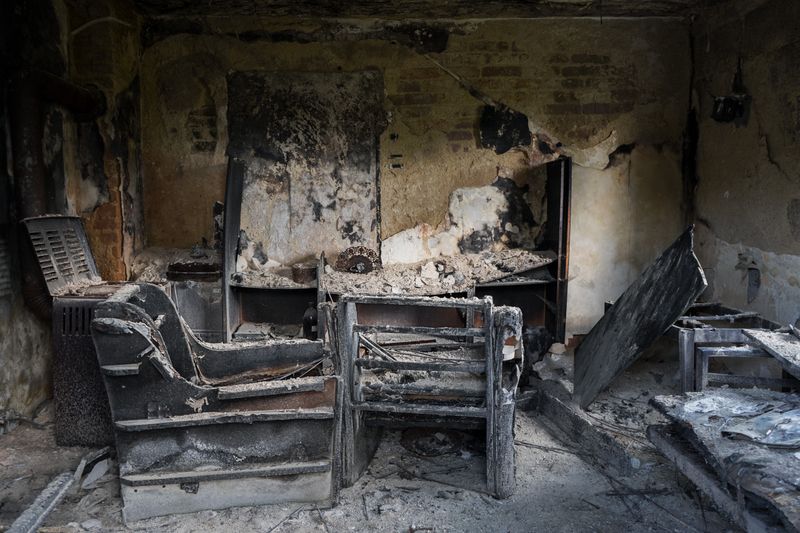
Fire can destroy far more than the physical structure of a house. Furniture, clothing, electronics, appliances, photographs, documents, and other possessions may be damaged by flames, smoke, heat, or water used to extinguish the fire. Personal property coverage is designed to address many of these losses when the damage results from a covered event.
However, homeowners should not assume that every possession is automatically reimbursed at its original purchase price. Coverage limits, deductibles, exclusions, depreciation, and special limits for certain categories of property can all affect the final settlement. Keeping an updated home inventory can make a major difference when you need to demonstrate what was lost and establish its approximate value.
Which belongings might be covered?
Depending on the policy, covered personal property could include:
- Furniture and household furnishings
- Clothing and shoes
- Televisions and other electronics
- Kitchen equipment and appliances
- Tools and recreational equipment
- Children’s belongings
- Books and other household items
Some valuable possessions may have special coverage limits. Jewelry, collectibles, artwork, firearms, cash, and certain other high-value items may require additional coverage or endorsements if their value exceeds the standard policy limit.
Will smoke-damaged belongings be covered?
Possibly. Fire damage is not limited to items that were directly burned. Smoke and soot can leave persistent odours, stains, and chemical residues on furniture, clothing, walls, electronics, and other possessions.
An insurer may determine that some items can be professionally cleaned or restored while others must be replaced. Avoid throwing away damaged belongings unless they present a genuine safety hazard or your insurer or restoration professional advises you to do so. Photographs and documentation can help establish the extent of the damage.
Does Home Insurance Pay for Temporary Housing After a Fire?
When a fire makes a home unsafe or uninhabitable, homeowners may need somewhere else to stay while repairs are completed. Standard homeowners insurance often includes additional living expenses, sometimes called loss-of-use coverage, for qualifying situations. This coverage is separate from the money available to repair the physical structure. If the fire is covered under the policy, additional living expenses may help with certain reasonable costs that arise because you cannot live in your home.
The precise expenses covered, duration of benefits, and limits vary by policy. Homeowners should keep receipts and records for eligible expenses rather than assuming the insurer will automatically reimburse every cost incurred during displacement.
What expenses might qualify?
Depending on the policy, additional living expense coverage may help with costs such as:
- Temporary accommodation
- Additional food expenses
- Laundry costs
- Transportation expenses in certain circumstances
- Other reasonable increases in living expenses
The important distinction is that this coverage generally addresses additional costs caused by the displacement. It is not necessarily designed to pay all of your normal household expenses.
For example, if you normally spend $800 per month on groceries but temporary accommodation causes your food costs to increase, the insurer may consider the qualifying increase rather than simply paying your entire grocery bill.
What Types of Fire Damage May Not Be Covered?
Although fire is commonly covered, homeowners insurance is not an unlimited promise to pay for every loss involving flames. Policies contain exclusions designed to identify circumstances where coverage does not apply. Intentional damage, certain forms of negligence, and losses associated with excluded causes may receive different treatment. In addition, a claim can become complicated when an insurer needs to investigate the circumstances surrounding a fire.
The key is to avoid assuming that a fire automatically guarantees payment. Your policy documents, endorsements, exclusions, and the facts surrounding the incident determine whether the loss qualifies. When there is uncertainty, reviewing the policy and communicating with the insurer can help clarify your position.
Intentional fires
Insurance generally does not provide protection for property damage that a policyholder intentionally causes. If an investigation determines that someone deliberately set fire to the home to create an insurance loss, the claim could be denied, and the situation may have serious legal consequences.
Neglect and policy violations
Some circumstances involving severe neglect or violations of policy conditions can complicate a claim. Whether negligence affects coverage depends on the specific facts and policy language, so homeowners should avoid assuming that an insurer will automatically deny a claim because an accident involved human error.
Excluded property or circumstances
A standard policy may also contain exclusions or special limitations affecting certain types of property or situations. For example, high-value possessions may have separate limits, while certain detached structures or unusual property uses may be subject to different provisions.
Does Home Insurance Cover Wildfires?
Wildfire coverage depends heavily on the policy and location. In many cases, homeowners insurance provides protection against wildfire-related property damage, but insurers may impose different conditions or limitations in areas with significant wildfire exposure. Availability and affordability of coverage can also vary by region.
Homeowners in wildfire-prone areas should pay particular attention to their policy’s definitions, exclusions, deductibles, dwelling limits, and additional living expense provisions. Some policies may have special wildfire-related conditions or deductibles, while homeowners who cannot obtain traditional coverage may need to explore alternative insurance arrangements available in their area.
Because wildfire risk and insurance regulations differ by state, homeowners should review their current policy rather than relying solely on general assumptions about coverage.
What Happens When You Report a House Fire?
After a fire, your first priority should be getting everyone to safety and contacting emergency services when necessary. Once the immediate danger has passed, notifying your insurance company promptly is generally an important next step. The insurer may assign a claims professional or adjuster to investigate the loss, review the policy, document damage, and determine what benefits may apply. Depending on the severity of the fire, specialists such as restoration contractors, engineers, or other professionals may also become involved.
The process can take time, particularly when a property has sustained extensive structural damage or the cause of the fire requires investigation. Staying organised throughout the process can help prevent confusion.
How should you document the damage?
Once authorities and professionals determine that it is safe to enter the property, document the condition thoroughly.
Take photographs and videos of:
- Burned areas
- Smoke and soot damage
- Water damage from firefighting
- Damaged furniture and belongings
- Structural damage
- Areas affected by heat or smoke
- Debris and other visible losses
Do not place yourself in danger simply to photograph property. Structural instability, exposed electrical systems, toxic residues, and other hazards may remain after a fire.
How do you start the insurance claim process?
If you’re researching how to file a home insurance claim, begin by contacting your insurer or agent as soon as reasonably possible and following its instructions. Ask what documentation is required, what temporary housing provisions may be available, and whether the insurer has preferred procedures for inspections, emergency repairs, and restoration.
Keep copies of communications, estimates, receipts, photographs, reports, and other claim-related documents in one organised location.
How Is Fire Damage Valued by an Insurance Company?
Determining the value of a fire loss can be one of the most complicated parts of a claim. The insurer generally evaluates the extent of covered damage and applies the valuation method specified in the policy. For the structure, the policy may provide replacement cost coverage, subject to applicable conditions and limits.
The amount you receive for personal belongings can vary depending on the terms of your policy and whether coverage is based on replacement cost or actual cash value. Replacement cost coverage typically considers what it would cost to purchase a similar new item, while actual cash value takes the item’s age and depreciation into account when determining its value.
Understanding which valuation method applies to your belongings can help you interpret the insurer’s calculations and identify questions that need clarification.
What is replacement cost?
Replacement cost coverage is generally intended to pay the cost of replacing or repairing covered property without deducting depreciation, subject to the policy’s terms and limits. Certain policies may require the homeowner to complete repairs or replacement before receiving some additional amounts.
What is actual cash value?
Actual cash value generally considers depreciation when determining the value of damaged property. An older television, sofa, or appliance may therefore be valued at less than the amount it would cost to purchase a new equivalent.
Why does your coverage limit matter?
Even if a loss is clearly covered, the insurer generally will not pay beyond applicable policy limits. Homeowners should periodically review their dwelling coverage to make sure it remains appropriate as construction costs, renovation work, and property values change.
What Should You Do After a House Fire?
A structured response can make an extremely difficult situation more manageable. Once everyone is safe, focus on preserving evidence, preventing additional damage where reasonably possible, and maintaining clear communication with your insurer. Avoid making major decisions about repairs, disposal of damaged property, or permanent relocation before understanding what your policy and insurer require. Emergency measures may sometimes be necessary to prevent further damage, but homeowners should keep records of what was done and why. It is also important to protect yourself from additional hazards after the fire. When the property is eventually declared safe to enter, systematic documentation can help create a clearer record of the loss and support conversations with insurance professionals.
A practical checklist
- Make sure everyone is safe. Follow instructions from firefighters and emergency personnel before returning to the property.
- Notify your insurer. Report the loss promptly and ask what steps you should take next.
- Document the damage. Take photographs and videos when it is safe to do so.
- Prevent further damage where appropriate. Follow professional and insurer guidance about temporary measures.
- Keep damaged property. Do not discard items unnecessarily until the insurer has had an opportunity to assess them.
- Save receipts. Keep records of temporary accommodation, meals, emergency repairs, cleaning, and other potentially qualifying expenses.
- Create a property inventory. List damaged or destroyed possessions and gather receipts, photographs, warranties, or other evidence of ownership and value.
- Keep communication records. Save emails, letters, estimates, reports, and notes from conversations with the insurer and contractors.
How Can You Prepare for a Fire Before It Happens?
Insurance is an important financial safety net, but preparation can make recovering from a fire substantially easier. Homeowners should review their policy periodically rather than waiting until a disaster occurs to discover coverage gaps. A current home inventory is particularly valuable because it can be difficult to remember every possession after a traumatic event. Photographs or videos of rooms and major belongings can provide useful evidence, while receipts and other records can help establish ownership and value.
Homeowners should also check whether renovations, additions, expensive purchases, or changes in household circumstances require an adjustment to their coverage. Taking these steps in advance can reduce uncertainty when you need your insurance the most.
Review your policy annually
Check your dwelling limit, personal property coverage, additional living expense coverage, deductibles, and relevant endorsements. If you have completed a major renovation or purchased expensive belongings, tell your insurer if the change could affect your coverage needs.
Create a home inventory
Record your possessions room by room. Include photographs, model numbers, purchase dates, approximate values, and receipts when available.
Keep important records elsewhere
Store copies of your insurance policy, inventory, receipts, property records, and other essential documents somewhere that will not be destroyed if your home is damaged.
Understand your deductible
Your deductible is the amount you are generally responsible for paying toward a covered loss before the insurer pays the remaining eligible amount. Knowing your deductible in advance helps you understand the potential out-of-pocket cost following a fire.
What Should Homeowners Remember About Fire Coverage?
For most homeowners, the key takeaway is that standard home insurance generally provides significant protection against covered fire losses, including damage to the dwelling and, depending on the policy, personal belongings and additional living expenses. However, coverage is never simply a guarantee that every fire-related expense will be paid. The cause of the fire, policy exclusions, coverage limits, deductibles, valuation methods, and individual circumstances all matter.
A fire can be devastating, but understanding your insurance coverage before an emergency gives you a stronger foundation for making decisions afterward. Review your policy regularly, maintain a detailed home inventory, keep important records accessible, and know who to contact if a loss occurs. When you understand what your policy is designed to protect, you can approach the claims process with greater clarity and confidence.